
Why Your Senior Cat’s Kidney Disease Needs a Chronic‑Condition Rider (and How to Get It)
— 7 min read
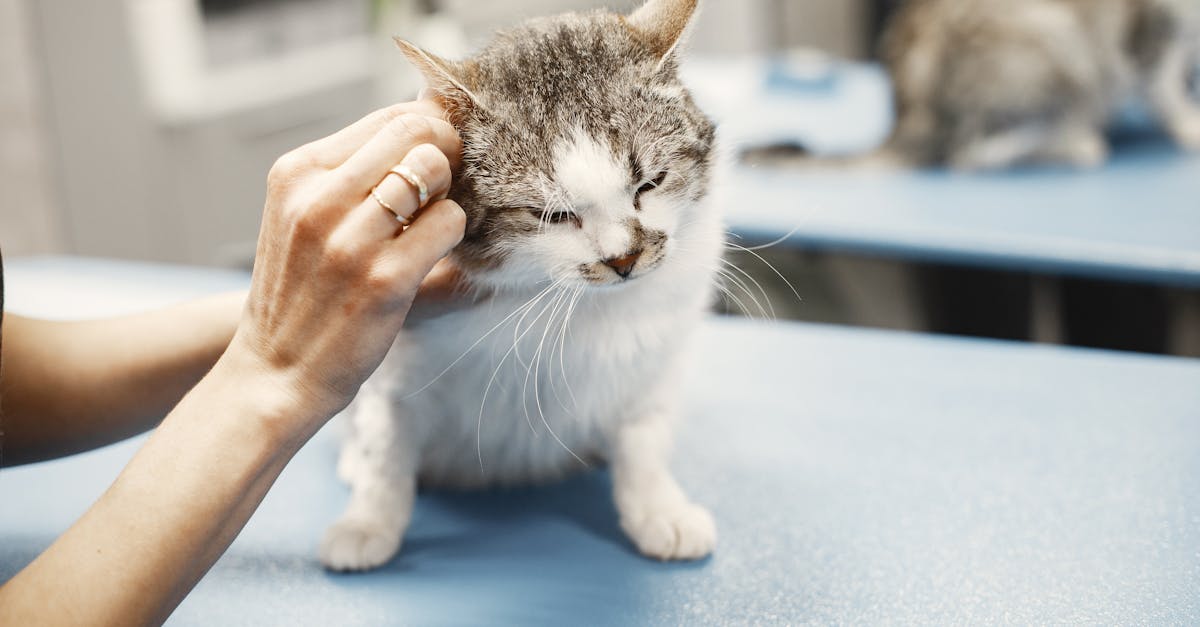
Picture this: your 12-year-old tabby just earned the senior badge, and the vet’s next words are "chronic kidney disease." Suddenly, you’re staring at a bill that looks more like a mortgage than a pet expense. If that scene feels familiar, you’re not alone - many cat owners discover the hidden price tag of kidney care only after the first test results land on the kitchen table.
Medical Disclaimer: This article is for informational purposes only and does not constitute medical advice. Always consult a qualified healthcare professional before making health decisions.
The Hidden Cost of Cat Kidneys: Why Standard Plans Fall Short
Standard pet insurance often leaves owners paying hefty out-of-pocket bills because it overlooks the high, ongoing expenses of chronic kidney disease in senior cats. When a 12-year-old tabby receives a diagnosis of chronic kidney disease (CKD), the first vet visit alone can cost $250 for blood work and ultrasound. Yearly maintenance - special diets, fluid therapy, and monthly blood panels - easily tops $1,800, according to the American Veterinary Medical Association’s 2024 report.
Most basic policies treat CKD as a pre-existing condition and refuse reimbursement for routine labs, prescription diets, and sub-cutaneous fluids. They may only cover a one-time surgery or emergency visit, leaving the owner to fund the rest. Over a typical three-year progression, a cat owner can spend $5,000 to $7,000 out of pocket, a sum that rivals a small car payment.
"Approximately 30 percent of cats over ten years develop chronic kidney disease, and the average yearly treatment cost exceeds $2,000." - AVMA
Key Takeaways
- CKD is common in senior cats and costly to manage.
- Standard plans usually exclude routine CKD care.
- Out-of-pocket expenses can exceed $5,000 in three years.
Now that the price tag is staring us in the face, let’s explore the insurance add-on that can turn that frown upside down.
What a Chronic-Condition Rider Actually Covers (and What It Doesn’t)
A chronic-condition rider is an add-on to a base pet-insurance policy that unlocks reimbursement for recurring treatments. For senior cats with CKD, the rider typically pays for:
- Quarterly blood chemistry panels ($150 each).
- Prescription renal diets (often $80 per month).
- Sub-cutaneous fluid administration performed at home ($30 per bag).
- Hospital stays longer than 24 hours, up to a daily limit of $500.
What the rider does not cover includes:
- Pre-existing conditions diagnosed before the rider’s effective date.
- Alternative therapies such as acupuncture unless explicitly added.
- Veterinary costs that exceed the policy’s annual maximum, which for many riders is $5,000.
Consider Whiskers, a 13-year-old Maine Coon diagnosed with CKD stage 2. With a rider that reimburses 80 percent of eligible expenses up to $5,000 per year, Whiskers’ owner receives $1,200 back on a $1,500 annual diet bill and $960 on lab work, dramatically cutting the net cost. In plain English, the rider is like a Netflix subscription for vet care: a modest monthly fee that pays for the binge-watching of labs and fluids you’d otherwise have to fund yourself.
Having demystified what the rider pays for, let’s untangle the fine-print that often trips up even the most diligent pet parent.
The Fine Print Dance: Decoding Deductibles, Co-pays, and Lifetime Caps
Deductibles are the amount you pay before insurance kicks in. They can be annual (e.g., $250 per year) or per-incident (e.g., $100 each visit). A higher deductible lowers the monthly premium but raises the out-of-pocket threshold.
Co-pay percentages indicate the share of a claim the insurer pays after the deductible is met. A 20 percent co-pay means the owner covers 20 percent of the approved expense. For a $500 lab bill, the owner would pay $100, and the insurer would reimburse $400.
Lifetime caps set the maximum total reimbursement a pet can receive over its life. Many standard plans cap at $3,000, which is insufficient for CKD that can require $2,000-$3,000 each year. Riders often raise this cap to $10,000, allowing sustained coverage across multiple years.
Example: Luna, a 11-year-old Siamese, has a base plan with a $300 annual deductible, 10 percent co-pay, and a $3,000 lifetime cap. After two years of CKD care costing $4,500, she hits the cap and the owner must pay the remainder. Switching to a rider with a $500 deductible, 20 percent co-pay, and a $10,000 cap would have kept $6,000 of her expenses reimbursable.
Numbers are helpful, but real people (and cats) tell the whole story. Let’s meet two senior felines who took different insurance routes.
Real-World Examples: Two Senior Cats, Two Insurance Strategies
Case A - Basic Plan Only
Buddy, a 12-year-old domestic short hair, was diagnosed with CKD stage 3. His owner had a standard policy with a $250 annual deductible, 10 percent co-pay, and a $3,000 lifetime cap. Over the next 24 months, Buddy required:
- Four blood panels ($150 each) = $600
- Two weeks of hospital-based IV fluids ($500 total)
- Prescription renal diet ($80/month) = $1,920
Total vet cost: $3,020. After the deductible, the insurer paid 90 percent of $2,770 = $2,493, leaving the owner to cover $527 plus the full diet cost because the diet was excluded. Out-of-pocket: $2,447.
Case B - Rider Added
Misty, a 13-year-old Persian, also has CKD stage 3 but her owner added a chronic-condition rider. The rider offers 80 percent reimbursement on eligible items, a $500 annual deductible, and a $10,000 lifetime cap. Over the same 24-month period, Misty’s expenses mirrored Buddy’s.
- Eligible lab and fluid costs = $2,100
- Diet costs = $1,920 (eligible under rider)
After the $500 deductible, the rider reimbursed 80 percent of $3,520 = $2,816. Owner out-of-pocket: $500 deductible + $704 remaining = $1,204. The rider saved $1,243 compared with the basic plan and kept diet costs covered.
Those numbers tell a story: a modest extra premium can shave thousands off your bill. Let’s see how that fits into an overall household budget.
Beyond the Premium: How Riders Fit into a Holistic Care Budget
When planning a pet-care budget, view the rider premium as a fixed cost, like a streaming service, that protects against variable medical expenses. For a typical senior cat, a rider adds $25-$40 per month to the existing premium.
Allocate the extra $30 monthly to a “pet health fund” alongside regular expenses such as grooming, toys, and routine vaccinations. Over a year, this adds $360 to the budget, which is less than the average annual CKD treatment cost of $2,200. By front-loading the expense as a predictable premium, owners avoid sudden spikes when a hospital stay or emergency arises.
Consider a household that already spends $120 per month on pet food, $30 on toys, and $20 on grooming. Adding a rider brings the total pet budget to $200 per month. If a CKD flare-up occurs, the rider covers most of the $1,500-$2,000 bill, leaving the family with only the deductible and co-pay, well within the planned monthly outlay.
Integrating the rider also encourages proactive care. Because routine labs and diet are reimbursed, owners are more likely to follow the veterinarian’s schedule, which can slow CKD progression and reduce long-term costs.
Ready to take action? The next steps are simple, and timing is key - don’t wait until the kidneys are fully cooked.
Making the Switch: Practical Steps to Add a Rider Before It’s Too Late
1. Review your current policy: Locate the effective date, deductible, and any CKD exclusions. Note the “pre-existing condition” clause; if CKD was diagnosed after the policy start, you may still be eligible for a rider.
2. Research rider options: Compare at least three insurers. Look for riders that reimburse diet, fluids, and labs, and check the annual maximum and lifetime cap.
3. Calculate the cost-benefit: Use a simple spreadsheet. List expected yearly CKD expenses, rider premium, deductible, and co-pay. Subtract the rider’s total cost from projected out-of-pocket without it to see the net savings.
4. Time the enrollment: Most insurers allow riders to be added within 30 days of a policy renewal. Add the rider before the next renewal to avoid a gap in coverage.
5. Submit veterinary documentation: Provide the vet’s CKD diagnosis, stage, and recommended treatment plan. This speeds approval and confirms the condition is not considered pre-existing.
6. Monitor claims: After the first reimbursed claim, review the Explanation of Benefits (EOB) to ensure the correct percentage and deductible were applied. Adjust your budgeting if the co-pay feels high.
By following these steps, you can lock in protection before CKD progresses to a stage where costs skyrocket, keeping both your cat’s health and your wallet in good shape.
Common Mistakes
- Assuming a basic plan will cover chronic kidney meds - it usually does not.
- Waiting until the disease is advanced to add a rider - many insurers impose a waiting period.
- Overlooking the lifetime cap - a low cap can leave you uninsured after a few years.
Glossary
- Chronic-condition rider: An optional policy add-on that expands coverage for ongoing illnesses.
- Deductible: The amount you pay out-of-pocket before insurance reimburses.
- Co-pay: The percentage of a claim you are responsible for after the deductible.
- Lifetime cap: The total amount an insurer will pay over a pet’s life.
- Pre-existing condition: An illness diagnosed before the insurance start date, usually excluded.
FAQ
What is the main advantage of a chronic-condition rider for CKD?
It reimburses routine labs, prescription diets, and fluid therapy that standard policies typically exclude, dramatically lowering out-of-pocket costs.
Can I add a rider after my cat is diagnosed with CKD?
Yes, but many insurers require a waiting period of 30-90 days and will consider the condition pre-existing if diagnosed before the rider’s effective date.
How does a deductible affect my CKD expenses?
You pay the deductible each year before the rider starts reimbursing. A higher deductible reduces the monthly premium but increases the amount you must front-load each year.
What should I look for in a rider’s lifetime cap?
Choose a cap that exceeds the projected total cost of CKD care over the cat’s expected remaining lifespan, typically $5,000-$10,000 for senior cats.
Are prescription renal diets usually covered?
Only with a chronic-condition rider that explicitly lists diet as an eligible expense; standard plans often label it as a non-medical item.